
Alternative facility options — spotlight on: happy campers!
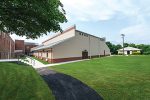
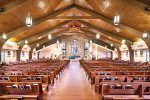
For an 18,000-square-foot worship center for the new Oklahoma Assembly of God State Youth Camp in Sparks, OK, a metal building system made the most sense. Here’s why.
Read More >
The facility manager is the shepherd of the church grounds, which might include a range of duties — from landscaping, to building maintenance, to basic maintenance of the seating. It’s important for this individual to have thorough knowledge of how to properly clean upholstery and how often to tighten bolts on the seating.
Read More >
As your church finds itself in need of more ministry space, a new building might seem like a logical solution. But, in the interest of stewardship, it pays to consider whether or not an existing space can be reimagined instead.
Read More >
Some would argue we shouldn’t evaluate the church’s ministries. Even if a church doesn’t invite critique, it takes place every Sunday on an informal level. We know guests make a decision about a church within the first seven minutes of arriving on the campus.
Knowing this, your church (and every church) needs a partner to design its facilities — one who understands your ministry. Having the right team to first guide in an effective evaluation, and then begin to create and design a facility that functions for your ministry, helps your church be more effective.
Read More >A true ministry banker understands that business administrators at religious institutions might only undertake a major commercial construction project once or twice in their careers.
A lender with specialized expertise in financing religious institutions will not expect you to intimately understand or fully anticipate the commercial construction and related borrowing processes. Rather, a lender with a depth of experience banking this segment can provide consultation and guide you through the process.
Nevertheless, the ministry will be best served when adequately prepared about what to expect.
Read More >Congratulations! You and your congregation have made the decision to invest in new sanctuary seating.
Now what?
Read More >
Often, when a church decides it wants to build, the first step is to get a set of plans designed and then bid out with several contractors. Nearly every month, we encounter churches where — after bidding the plans — the project is over budget and cannot be completed.
Other church leaders tell us their buildings were built using this process … and yet they ended up spending a significant amount more than the contractor’s original bid.
You might ask how this could happen. The answer: cost overrun.
Read More >
In this installment, we’ll focus on three types of alternative site selection:
#1: Expansion on one site (current or new)
#2: Expansion on multiple sites
#3: Expansion through church planting or new starts